
_edited.png)
What does preventative maintenance for diesel fleets actually look like?

Preventative maintenance gets spoken about a lot, but on most sites, it still ends up sitting behind production, behind breakdowns, and behind whatever feels more urgent on the day. The issue is not that people do not understand it; it is that it is often treated as something flexible, something that can be pushed when things get busy.
The reality is that most breakdowns do not just happen; they build over time. Small issues that are easy to deal with early turn into larger problems when they are ignored, and once equipment is down, the cost is no longer just the repair; it is the lost time, the pressure on other machines, and the overall disruption across the site. Preventative maintenance is not “extra work”; it is what keeps everything else moving.

What preventative maintenance actually means
On paper, preventative maintenance is scheduled servicing at set intervals, and while that is part of it, it is only the baseline. Real preventative maintenance is about understanding how equipment behaves over time, identifying patterns, and acting before those patterns turn into failures.
It involves inspections that go beyond ticking boxes, looking at wear points, fluid condition, component performance, and any changes in how the machine is operating. It is not just about whether something has failed; it is about whether it is heading in that direction.
This is where experience genuinely matters. Knowing what is normal for a piece of equipment, and what is not, allows issues to be picked up early, often before they are visible to operators.
What it looks like on site
In practice, preventative maintenance is consistent, structured, and built into the way a site operates rather than added on when there is time, because let's face it, there is never just free time. It includes routine servicing such as oil and filter changes, but it also extends into more detailed checks across the entire machine.
Fluid analysis is a simple example that is often overlooked. Oil condition can tell you a lot about what is happening internally, from contamination to early signs of component wear. Catching that early can prevent major failures that would otherwise take equipment offline for extended periods.
Wear components are another area where preventative maintenance makes a difference. Hoses, belts, seals, and electrical connections do not fail without warning; they degrade over time. Regular inspection and replacement at the right intervals keep these from becoming unexpected failures.
Diagnostics also play a role, particularly with modern equipment. Fault codes, performance data, and system behaviour all provide information that can be used to identify issues early. When this is combined with hands-on inspection, it creates a much clearer picture of the condition of the machine.
The cost of letting it slip
When preventative maintenance is delayed or treated as optional, the impact is not always immediate, which is why it is easy to just keep pushing back to a “better time”. The problem shows up later, usually at the worst possible time.
A small issue that could have been fixed during a scheduled service turns into a breakdown during operation. That breakdown pulls resources away from other work, creates pressure on crews, and often leads to rushed decisions just to get things moving again.
Repeat failures are another common outcome. If the underlying cause is not addressed early, the same issue will continue to come back. This leads to a cycle of reactive maintenance where the focus is always on fixing what has already failed rather than preventing it from happening again.
Over time, this approach costs more, not just in repairs, but in lost productivity and reduced equipment lifespan.
Why does it matter even more in remote operations?
In remote mining environments, the margin for error is smaller. Access to workshops, parts, and additional labour is limited, and response times are longer. What might be a manageable issue in a metro setting can become a major disruption when you are operating sometimes hours away from support.
Preventive maintenance reduces the reliance on reactive responses. By keeping equipment in a known and well-documented condition and addressing issues before they escalate, sites are less exposed to the delays that come with breakdowns.
It also allows for better planning. Scheduled maintenance can be worked around operations, whereas breakdowns force operations to work around them. In remote locations, that difference has a direct impact on productivity.
The role of field service in Diesel fleet maintenance
For many sites, particularly those operating across multiple locations, field service plays a key role in delivering preventative maintenance effectively. Bringing equipment off-site for servicing is not always practical, and in some cases, it creates more downtime than it avoids.
Field service allows maintenance to be carried out where the equipment is operating, which reduces disruption and keeps machines available for longer. It also means that inspections and servicing can be done more frequently, as they are not dependent on workshop scheduling.
Consistency is important here. Having the same team working across a fleet means there is a better understanding of each machine, its history, and any recurring issues. This continuity makes it easier to identify patterns and address them before they become problems.
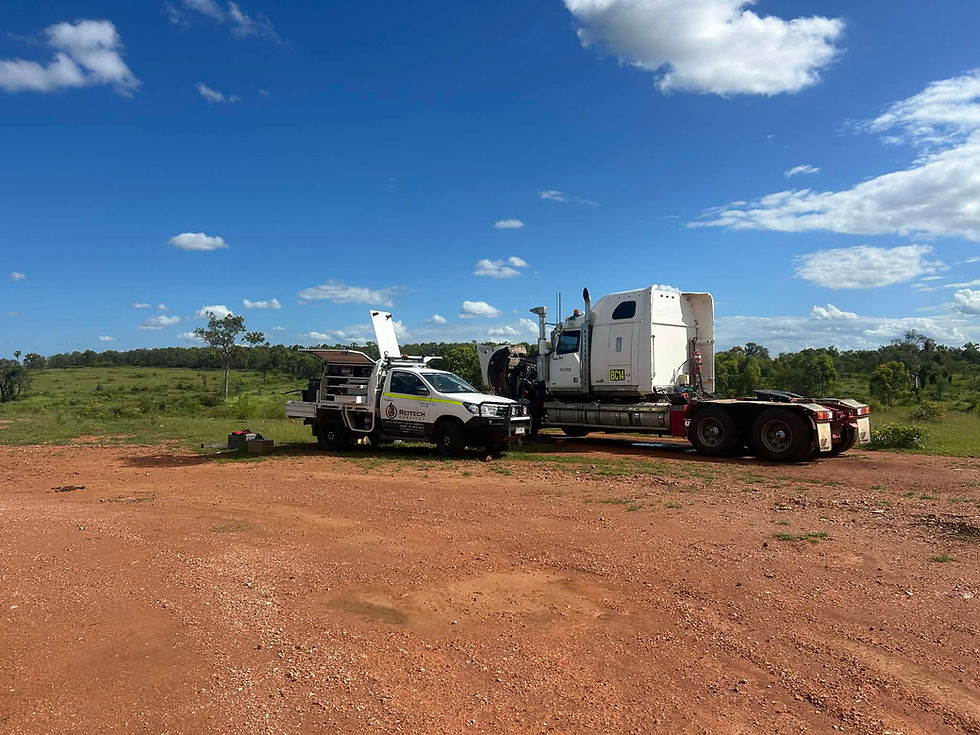
Fully equipped service vehicles also make a difference. Being able to carry out a wide range of servicing and minor repairs on site means that issues can be resolved immediately rather than being deferred.
Building a maintenance approach that actually works
A preventative maintenance program only works if it is realistic and consistent. Overly complex systems that rely on perfect conditions tend to fall apart when things get busy, and once consistency is lost, the benefits start to drop off.
A practical approach is built around clear schedules, defined responsibilities, and simple processes that can be followed even when the site is under pressure. It should be easy to understand what needs to be done, when it needs to be done, and who is responsible for doing it.
Tracking is also important. Keeping records of servicing, inspections, and any issues identified allows for better decision-making over time. It creates visibility across the fleet and helps prioritise work based on actual condition rather than assumptions.
This does not need to be overly complicated, but it does need to be consistent.
Preventing problems rather than reacting to them
The shift from reactive to preventative maintenance is not just about reducing breakdowns; it is about changing how maintenance is viewed on-site. Instead of being something that interrupts operations, it becomes part of how operations are maintained.
When preventative maintenance is done properly, equipment runs more reliably, downtime is reduced, and the pressure on crews is lower. Issues are dealt with early, often before they affect production, and there is a clearer understanding of the condition of the fleet at any given time.
This does not eliminate breakdowns entirely, but it changes how often they occur and how severe they are when they do happen.
Bringing it back to the bigger picture
Diesel fleets in mining environments operate under constant load, in harsh conditions, and with little room for failure. Expecting them to perform without a structured maintenance approach is not realistic.
Preventive maintenance provides that structure. It keeps equipment in a known state, reduces the likelihood of unexpected failures, and allows sites to operate with more control.
It is not about doing more work; it is about doing the right work at the right time.
When it is built into the way a site operates, rather than treated as something that can be pushed, it becomes one of the most effective ways to keep fleets running, costs under control, and operations moving the way they should.
Need a fleet maintenance plan with a team that will keep your vehicles running smoothly? Get in touch with our workshop; we are located in Moranbah and servicing the Wider Bowen Basin and Issac Council Region. (07) 4855 3404


Comments